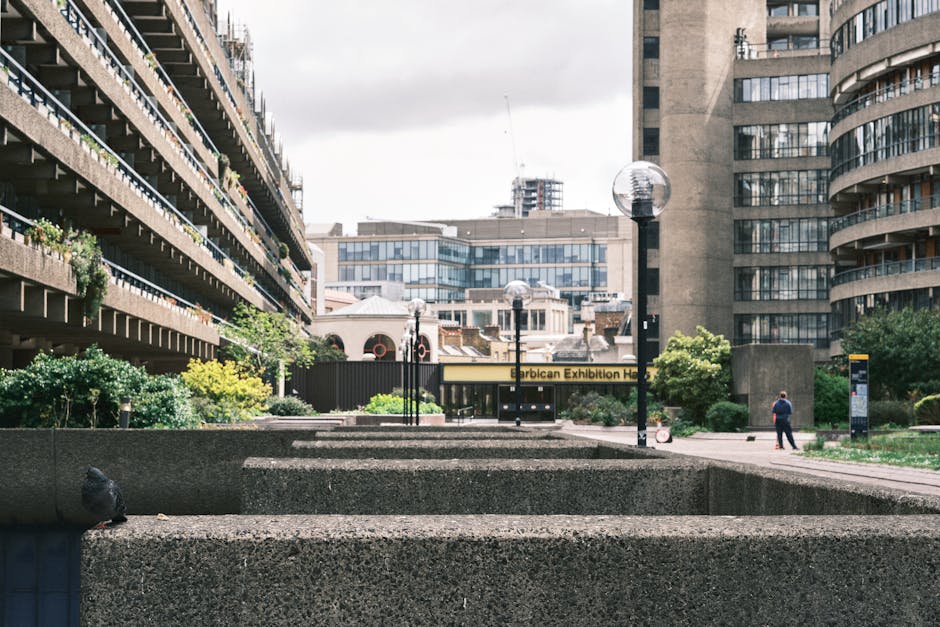
Barbican Centre removals for fragile instruments and art
Moving delicate creative assets is never just a matter of boxes and a van. With Barbican Centre removals for fragile instruments and art, the real challenge is protecting things that can't simply be replaced: a concert harp with a sensitive frame, a cello that reacts to temperature swings, a framed print with glazing, a sculpture with awkward balance, or a mixed-media piece with surfaces that mark if you look at them the wrong way. If you are planning a move in or around the Barbican area, you need more than muscle. You need judgement, calm handling, and a plan that respects the object as much as the timetable.
This guide walks through how specialist removals for fragile instruments and artwork actually work, why they matter, and what to look for before you book anyone. It is practical, London-aware, and written for the kind of move where one wrong lift can turn into a very expensive headache. Let's face it, nobody wants that.
Whether you are moving between studios, venues, galleries, rehearsal spaces, flats, or storage, the goal is the same: get every item there intact, on time, and without drama. Sounds simple. It rarely is.
Table of Contents
- Why Barbican Centre removals for fragile instruments and art Matters
- How Barbican Centre removals for fragile instruments and art Works
- Key Benefits and Practical Advantages
- Who This Is For and When It Makes Sense
- Step-by-Step Guidance
- Expert Tips for Better Results
- Common Mistakes to Avoid
- Tools, Resources and Recommendations
- Law, Compliance, Standards, or Best Practice
- Options, Methods, or Comparison Table
- Case Study or Real-World Example
- Practical Checklist
- Conclusion
- Frequently Asked Questions
Why Barbican Centre removals for fragile instruments and art Matters
The Barbican area is a place where culture, design, and working city life overlap. That means moves are often happening in busy streets, awkward loading areas, shared entrances, lifts with limits, and buildings where timing matters almost as much as lifting technique. Fragile instruments and art are not forgiving in these settings. A bumped corner, a sudden tilt, or a rushed handover can create damage you may not notice until much later.
Fragile items also behave differently from standard household goods. Instruments can be affected by humidity, temperature, and vibration. Paintings and framed works can suffer from pressure, abrasions, and flexing. Sculptures can have weight unevenly distributed. Even a seemingly simple object, like a microphone stand or framed score, may need the right wrapping and load order to travel safely.
For people working near the Barbican Centre, this matters because moves often sit at the intersection of art, logistics, and timing. Maybe a performance window is tight. Maybe a gallery handover is fixed. Maybe a rehearsal room is only available before lunch. In those moments, good removals are not about speed alone. They are about control.
Expert summary: fragile-item removals succeed when the mover understands the object, the route, the building, and the timing as one job. Miss any one of those, and the risk goes up quickly. Simple as that.
How Barbican Centre removals for fragile instruments and art Works
A proper fragile move starts long before anyone lifts a case. The first step is usually a careful survey of the items and the access conditions. That means asking what the object is made of, how it is normally stored, whether it has hard cases or crates, and whether it needs specialist handling rather than standard removals. A violin and a grand piano are both instruments, but they do not travel the same way. Likewise, an oil painting and a freestanding sculpture need completely different treatment.
After that comes route planning. In central London, route planning can matter more than people expect. The mover should think through door widths, lift size, stairs, pavement space, parking restrictions, and where the vehicle will sit while loading. If you have ever stood on a narrow street at 7:30 in the morning while a trolley tries to turn a corner, you will know why this matters.
Packaging is the next layer. For fragile instruments and art, this may involve double-walled boxes, acid-free paper, corner protection, blankets, straps, foam inserts, soft wraps, blankets over that, and sometimes custom crates. Not every item needs a crate, but items of unusual shape, value, or sensitivity often do. The aim is to stop movement inside the package and to stop the package from rubbing against the item.
Loading is done with weight, balance, and shock absorption in mind. The order in the vehicle matters. Heavier, sturdier items are usually secured first, with delicate pieces isolated so they are not pressed against something else. On the road, the driver should avoid harsh braking where possible and keep the journey as smooth as conditions allow. That sounds obvious. It still gets missed.
Then comes unloading and placement. A fragile move is not finished when the item leaves the van. It finishes when the item is put down safely, inspected, and positioned where it can acclimatise if necessary. For some works and instruments, immediate use is not ideal. Give them time. They have had a journey too.
Key Benefits and Practical Advantages
The obvious benefit is damage reduction, but there is more to it than that. A well-managed fragile move saves time, protects value, and lowers stress. It also reduces the kind of hidden risk that only appears after the fact, when a string instrument is slightly out of alignment or a frame has a hairline crack in the corner.
Here are the main advantages:
- Better protection for valuable items through suitable wrapping, lifting, and transport conditions.
- Less disruption because the move is planned around access, timing, and building constraints.
- Lower chance of insurance issues when handling is documented and sensible precautions are taken.
- Fewer delays because the team knows what to expect before arrival.
- More confidence for owners, curators, performers, and studio teams who need the move to go right first time.
There is also a less obvious benefit: mental bandwidth. If you are trying to prepare for a performance, exhibition opening, or studio handover, you do not need to spend your morning wondering whether the mover knows how to handle a bassoon case or a framed work with vulnerable glazing. Good removal support gives you one less thing to worry about. And honestly, on move day, that counts for a lot.
Who This Is For and When It Makes Sense
This kind of service is not only for large institutions. It is useful for a wide range of people and organisations around the Barbican and broader City of London area.
- Musicians moving between rehearsal spaces, studios, concert venues, or homes
- Artists relocating paintings, prints, sculpture, or mixed-media works
- Galleries and curators moving exhibition pieces or loan items
- Students and graduates with valuable instruments or portfolio work
- Collectors with fragile or high-value pieces that need careful handling
- Producers, technicians, and creative teams moving equipment alongside sensitive objects
It makes sense whenever the item is valuable, sentimental, awkwardly shaped, temperature-sensitive, or too delicate for standard removals. It also makes sense when access is difficult. A perfectly wrapped object can still be damaged if the stairwell is too tight or the lift is just not big enough. The building always has a vote, as they say.
One useful rule of thumb: if you would feel nervous handing the item to a general moving team without explaining it in detail, you probably need specialist planning.
Step-by-Step Guidance
A careful process keeps fragile moves manageable. Below is a practical sequence that works well for Barbican-area jobs and similar central London moves.
- List every fragile item. Include dimensions, weight if known, condition, and any special notes. Mention cases, crates, stands, accessories, and anything that must travel with the item.
- Photograph the items before packing. This helps with condition records and gives everyone a clear reference point later. Good lighting, front and back, close details if there are existing marks.
- Check access at both ends. Measure doorways, stairwells, lifts, and turning space. If there is any doubt, measure twice. It saves embarrassment later.
- Choose the packing method. Use soft wraps for surface protection, rigid boxes for smaller objects, and crates where the shape or value demands it. For art, avoid materials that shed fibres or mark the surface.
- Prepare the route and timing. Consider parking, loading access, building hours, and whether the move needs to happen in a narrow time window.
- Load strategically. Secure the vehicle, separate fragile items from heavy furniture, and stop pieces from shifting in transit. A small gap can become a big problem once the van moves off.
- Inspect on delivery. Check condition before signing off. If anything looks off, note it immediately and take more photos.
- Allow acclimatisation where needed. Instruments and some art materials may need time before use or display, especially after a cold or damp journey.
If you are working with a team, assign one person to oversee the fragile items rather than letting everyone chip in. Too many hands can sometimes mean nobody is really in charge. That happens more often than people admit.
Expert Tips for Better Results
In our experience, the best fragile moves are rarely the flashiest. They are the ones where the preparation was boring in all the right ways. Here are a few tips that make a real difference.
- Use layers, not shortcuts. One blanket is not a packing system. Build protection in layers so the item cannot rub, slide, or knock against a hard surface.
- Keep hardware and accessories together. Bag screws, bows, cables, stands, rosin, brackets, or hanging hardware separately and label them clearly.
- Separate "fragile" from "valuable". Sometimes a low-cost item is still irreplaceable because of its function, tuning, or artistic role.
- Plan for awkward loading. A staircase with a landing can be more difficult than a straight run. The tricky bit is often the turn, not the lift.
- Use acclimatisation time wisely. If a string instrument or artwork has moved from a cooler space into a warmer one, give it a moment before handling further.
- Keep paperwork handy. Condition notes, item lists, access details, and contact numbers should be easy to reach. No one wants to rummage through a bag while a van door is open.
One more thing: do not let speed become the hero of the story. Precision wins here. Every time.
Common Mistakes to Avoid
Most fragile-item damage does not come from dramatic disasters. It comes from ordinary mistakes that pile up. Small issues. A rushed wrap. A poor grip. A van packed too tightly. Then suddenly the day is gone and everyone is looking at a scuffed corner.
- Using general-purpose packing only. Standard boxes and loose wrapping are often not enough for instruments or artwork.
- Ignoring humidity or temperature sensitivity. This matters especially for wood, strings, adhesives, canvases, and finishes.
- Assuming all art can lie flat. Some pieces must stay upright; others need specific orientation. Know the object first.
- Overloading the vehicle. Packing too tightly creates pressure points and makes secure loading harder.
- Leaving the route until the last minute. In central London, access can be the difference between a smooth move and a slow one.
- Skipping condition photos. Without them, you have little reference if a question comes up later.
- Trying to DIY the heaviest or most delicate pieces. Sometimes that works. Often it is just brave in the wrong way.
To be fair, many of these mistakes happen because people are trying to be efficient. But efficient and careful should sit together. They are not enemies.
Tools, Resources and Recommendations
The right tools make fragile removals calmer and safer. You do not need a warehouse full of specialist kit for every job, but you do need the right basics.
| Tool or resource | What it helps with | Best used for |
|---|---|---|
| Acid-free tissue or paper | Protects sensitive surfaces without marking them | Artwork, prints, textiles, delicate finishes |
| Double-walled boxes | Improves crush resistance | Smaller instruments, accessories, framed items |
| Corner protectors | Reduces impact on vulnerable edges | Frames, boards, boxed art |
| Blankets and soft wraps | Cushions against rub and vibration | Most fragile removals |
| Straps and load bars | Stops movement inside the van | Transport and secure loading |
| Labels and inventory sheets | Keeps track of item order and handling notes | Multi-item or multi-location moves |
For larger or more valuable items, custom crating can be the right call. It adds cost, but it can also add peace of mind, especially when the object has unusual dimensions or fragile protrusions. If the item is awkward and important, a custom solution often pays for itself in reduced risk alone.
It is also smart to work with a mover who can point you to related services when needed. For example, a job may involve wider commercial logistics, not just one-off collection. In that case, pages like commercial moves, packing and unpacking services, or storage may be relevant if your move needs a longer-handled plan.
And if you are comparing broader moving support, you may also want to look at removals and removal services to understand how fragile-item handling fits into a wider move.
Law, Compliance, Standards, or Best Practice
For fragile instruments and art, the most important compliance topic is usually not a single rule. It is the combination of care, duty, and good practice expected in a professional move. If you are dealing with insured property, loaned artwork, workplace assets, or items held on behalf of others, you should be especially careful with documentation and handling procedures.
In the UK, moving companies commonly work with insurance considerations, property access rules, building management requirements, and health and safety duties. That means you should expect sensible risk assessment, suitable lifting practices, secure loading, and clear communication. If a mover cannot explain how they protect fragile items, that is a warning sign. Not always a deal-breaker, but definitely a sign to ask more questions.
Good best practice usually includes:
- clear item listing and condition notes
- careful packaging suitable to the item
- safe lifting and team coordination
- secure loading to reduce movement in transit
- respect for building rules and access arrangements
- basic insurance awareness and transparent limitations
If the move involves valuable or irreplaceable pieces, it is sensible to ask how the mover handles claims, exclusions, and condition checks. That is not being difficult. It is being sensible. There is a difference.
You may also find it helpful to review a mover's health and safety policy, insurance and safety information, and terms and conditions before booking. If price clarity matters, their pricing and quotes page can help you understand what is included.
Options, Methods, or Comparison Table
Not every fragile move needs the same setup. The right option depends on the item, the distance, the building, and how much protection you need along the way. Here is a practical comparison.
| Method | Best for | Strengths | Trade-offs |
|---|---|---|---|
| Standard removals with careful packing | Moderately delicate items | Cost-effective, flexible, good for routine moves | May not suit high-value or highly sensitive pieces |
| Specialist fragile-item handling | Instruments, framed art, sculptures, mixed-media works | More tailored protection and handling | Usually requires more planning and may cost more |
| Custom crating | Irregular, valuable, or heavily protected pieces | Excellent physical protection and stability | Extra lead time and added cost |
| Storage-first approach | Moves with timing gaps or staging needs | Useful when access or delivery dates do not line up | Requires careful climate and condition planning |
If you are unsure, a practical starting point is this: the more fragile, expensive, or personally irreplaceable the item, the more you should lean toward tailored handling rather than a standard move. That sounds obvious, but it saves trouble.
Case Study or Real-World Example
Here is a realistic example based on the kind of work often seen around central London. A small creative team needed to move several framed works, a cello, and a set of studio reference materials from one Barbican-adjacent workspace to another nearby location. The route was short, but the access was not simple: a narrow loading window, shared building entrance, and a lift that could take the cello only if it was angled carefully and kept protected the entire time.
The move began with photos and a simple inventory. The cello was packed in its hard case with extra padding at pressure points, while the framed works were wrapped with corner protection and kept separate from heavier boxes. The team avoided stacking anything on top of the frames, which, frankly, is one of those things that sounds obvious until someone forgets.
On the day, the crew arrived early enough to check the route and parking position. The items were loaded in a set order so the frames stayed upright and the cello remained isolated from vibration-heavy items. At delivery, each piece was inspected before being brought into its new position. No damage, no panic, no awkward "we'll just see later" moment.
The key lesson was simple: the move was short, but the risk was real. Careful handling and planning mattered more than distance. In a city like London, distance is not always the problem. Access is.
Practical Checklist
Use this checklist before the move starts. It is simple, but it catches a lot of issues early.
- Item list completed with sizes and notes
- Condition photos taken
- Access checked at both properties
- Parking or loading arrangements confirmed
- Packing materials ready and suitable for the item
- Hard cases, crates, or wraps prepared
- Inventory of accessories, stands, or fittings created
- Insurance and responsibility questions clarified
- Timing window confirmed with all parties
- Delivery inspection planned for arrival
Quick takeaway: if you can answer who is moving what, how it is protected, when it travels, and where it will be unloaded, you are already ahead of most rushed moves.
Conclusion
Barbican Centre removals for fragile instruments and art call for a steady hand, a clear plan, and a respect for the items themselves. The best moves are not rushed. They are considered. They account for access, packaging, transport, and the tiny details that decide whether a piece arrives ready to use or ready for repair.
If you are comparing options, look beyond the vehicle and ask about handling, planning, insurance awareness, and experience with delicate items. That is where real value sits. And if the job feels a bit too important to leave to chance, that instinct is probably worth listening to.
Get a free quote today and see how much you can save.
Careful moving protects more than objects. It protects the work, the moment, and the peace of mind that comes with knowing something precious has reached its destination safely.
Frequently Asked Questions
What makes Barbican Centre removals for fragile instruments and art different from standard removals?
They require more detailed planning, gentler handling, and packaging that suits the specific item. Instruments and artwork are often sensitive to pressure, vibration, temperature changes, and awkward angles, so standard house-move methods are usually not enough on their own.
Do fragile instruments need special cases or crates for moving?
Often, yes. Smaller instruments may travel safely in hard cases with extra padding, while unusually shaped, valuable, or delicate pieces may benefit from custom crating. The right choice depends on the item, its condition, and the route.
How should artwork be packed for a move near the Barbican?
Artwork should be protected from scratches, corner damage, moisture, and pressure. That usually means acid-free wrapping where appropriate, corner protection, and sturdy packaging that stops movement. Framed works should not be allowed to rub against other items.
Can fragile items be moved in the same van as furniture?
Yes, but only if they are properly separated and secured. Fragile items should not be stacked under heavy furniture or left loose where they can shift. Good load planning matters more than squeezing everything together.
How far in advance should I book a fragile-item move?
As early as possible, especially if the job involves artwork, a performance date, a building time window, or special access issues. Even a short move can need more planning than expected. A few days may be enough for simple jobs, but more complex moves benefit from more notice.
What if the item is too awkward for stairs or lifts?
That is where route planning and specialist handling become important. Sometimes the answer is custom packing, sometimes it is a different team size, and sometimes the move needs a different access strategy altogether. Do not guess. Measure first.
Is insurance enough to protect valuable art or instruments?
Insurance is important, but it is not a substitute for careful handling. The best outcome is a move that avoids damage in the first place. Insurance should support a sensible process, not replace it.
Can I move a fragile instrument myself?
For very small or robust items, possibly. But if the instrument is valuable, large, delicate, or awkward to carry, professional help is usually the safer choice. A DIY move can look cheaper until one bad lift changes the picture.
What should I ask a mover before booking?
Ask how they handle fragile items, what packing materials they use, how they manage access and loading, whether they can deal with artwork or instruments specifically, and how insurance is handled. Clear answers are a good sign.
Are climate and humidity really that important?
Yes, especially for wood, strings, finishes, adhesives, canvas, and some mixed materials. Sudden changes are not ideal. Items may need to acclimatise before tuning, hanging, or use after the move.
How do I know if I need storage as part of the move?
If your dates do not line up, if the destination is not ready, or if the item needs staged delivery, storage can be a practical bridge. It is especially useful when you want to avoid forcing a move into the wrong time window. A little flexibility can save a lot of stress.
Where can I check related moving support if my job is bigger than one fragile item?
If your move involves more than a single object, it may help to look at related pages such as piano removals, furniture removals, or office removals depending on the wider job. That can help you compare options and build a plan that fits the full move, not just one piece of it.